

A contemporary chalet in Chamonix-Mont-Blanc features large windows and a wooden facade that integrates with the alpine landscape.
Story
A family chalet renovation in Chamonix expresses modern house design through maximum-size glazing and refined materials.
Project Overview
In Chamonix-Mont-Blanc, France, Chevallier Architectes—led by architect Renaud Chevallier with a design crew of David Castagna, Thibault Forissier, and Sophie Rubin—renovated a long-standing family house originally designed by the architect’s grandfather. The project aligns modern house design with a clear respect for the original pitched-roof silhouette, updating performance and comfort while retaining the sense of place. A single architectural gesture defines the transformation: an oversized, black-framed picture window that reads as both facade element and calibrated viewing device. It is positioned to capture forest, rooftops, and mountain horizons, turning the landscape into a persistent interior backdrop. Throughout the home, the renovation adds larger openings, refined materials, and integrated systems—home automation, air conditioning, LED lighting, and a heat pump—resulting in brighter spaces and more controlled comfort.
Against warm timber siding, the dark frames establish a measured contrast that clarifies old and new. Inside, an open-plan living, dining, and kitchen area supports gatherings; elsewhere, a bar, a library with fireplace, and carefully composed bedrooms show a consistent approach to proportion, light, and material texture.

Site and Urban Context
Set within Chamonix-Mont-Blanc, the house addresses immediate neighbors while opening toward trees and distant peaks. Views to rooftops, forest edges, and mountains inform the placement and scale of new openings, ensuring constant visual contact with the alpine setting.
Design Concept: Modern House Design Priorities
The renovation treats the large picture window as the conceptual anchor—both a facade statement and an interior framing device. Contemporary technology enabled precise placement of apertures to target key views and extend daylight deep into the plan. The original profile remains legible, while black metal framing and expansive glazing sharpen the building envelope with concise detailing.
Spatial Organization
The main level consolidates living, dining, and kitchen into an open plan that maintains clear sightlines to the exterior. A moody bar zone near the dining area uses darker tones to reduce the visual presence of a television and intensify the room’s evening character. A glass-enclosed wine cellar is tucked beneath the stair, preserving transparency while creating a focal display.


A dedicated library centers on a fireplace, with large sliding glass doors opening directly onto the patio. Bedrooms are oriented to views, including a corner window composition with a built-in ledge that doubles as a bench. Outdoor circulation connects an upper balcony—finished with glass railings for uninterrupted vistas—to a ground-level patio via a direct stair, linking outdoor rooms as a coherent sequence.


Materials and Facade
Exterior materiality balances continuity and contrast: timber siding ties the house to regional traditions, while black-framed glazing asserts a contemporary edge. Glass railings maintain unobstructed outlooks. Inside, the team explores leather and brass accents alongside wood, echoing the exterior’s warm–cool dialogue. A dark accent wall in the bar and the glass wine cellar add depth without closing down spatial openness.
Light, Climate, and Atmosphere
Daylighting guides the project. The oversized window reaches the maximum size feasible for its installation type, admitting steady, diffuse light and defining clear view corridors. Additional large windows distribute brightness throughout the interior. Updated systems—home automation, air conditioning, LED lighting, and a heat pump—support comfort and control across seasons.
Design Highlights
Maximum-size black-framed picture window calibrates mountain, forest, and rooftop views while defining the facade. Timber siding paired with dark metal frames articulates old–new contrast without abandoning the original silhouette. Glass-railed upper balcony extends to an alfresco dining area and connects by stair to the ground-level patio. Open-plan living, dining, and kitchen maintain visual continuity to the exterior. Moody bar with darker finishes reduces the visual presence of technology. Glass-enclosed wine cellar beneath the stair converts storage into a display and preserves transparency. Library with fireplace opens to the patio via large sliding glass doors. Corner bedroom window with built-in ledge creates a quiet viewing bench. Interior material palette explores leather and brass accents for added texture. Integrated systems include home automation, air conditioning, LED lighting, and a heat pump.
Key Facts
| Field | Details |
|---|---|
| Project | The Oversized Window That Changed Everything in This French Chalet |
| Architect | Chevallier Architectes (Renaud Chevallier; team: David Castagna, Thibault Forissier, Sophie Rubin) |
| Location | Chamonix-Mont-Blanc, France |
| Year | N/A |
| Status | Built |
| Program | Private residence (renovation) |
| Main Materials | Timber siding, black metal window frames, expansive glazing, glass railings, leather, brass |
| Keywords | modern house design, residential architecture, chalet renovation, picture window, daylighting |
Frequently Asked Questions
Who designed the renovation?
Chevallier Architectes led the project, with architect Renaud Chevallier and a design crew including David Castagna, Thibault Forissier, and Sophie Rubin.
Where is the house located?
The residence is in Chamonix-Mont-Blanc, France.
What is the defining feature of the renovation?
An oversized, black-framed picture window—installed at the maximum size feasible for its type—frames mountain and forest views and transforms the interior atmosphere.
How does the project balance old and new?
It preserves the original pitched-roof silhouette and alpine character while introducing larger openings, refined materials, and modern systems.
What systems were integrated during the update?
Home automation, air conditioning, LED lighting, and a heat pump were incorporated during the renovation.
Technical Summary
Material Strategy
The project relies on a contextual material palette chosen for tactile clarity and durability:
| Material | Application |
|---|---|
| wood | Exterior siding/cladding |
| glass | Oversized picture window and expansive glazing |
| glass | Balcony guardrails |
| glass | Sliding doors at library opening to patio |
| glass | Wine cellar enclosure beneath the staircase |
| metal | Black exterior/interior accents and framing elements |
| stone | Exterior landscape and base detailing |
| concrete | Exterior site/building elements visible at facade zone |
| leather | Interior accent material |
| brass | Interior accent material and hardware |
| ceramic | Bathroom surfaces/finishes |
Facade and Envelope
- glazing system: Black-framed picture window reaches maximum feasible size for the installation; positioned to capture key views and maximize daylight
- building envelope/facade: Warm wood siding paired with black-framed openings and expansive glazing to balance traditional alpine character with contemporary detailing
Structure and Construction
- balcony/guarding: Glass railings at upper-level balcony for unobstructed views; balcony connects to alfresco dining and links via stairs to patio below
- circulation/outdoor connection: Stairs connect balcony to lower patio, integrating outdoor zones
- interior planning: Open-plan living, dining, and kitchen area designed for gathering and entertaining
- mechanical/HVAC and controls: Integration of home automation, air conditioning, LED lighting, and a heat pump system
- wine storage feature: Glass-enclosed wine cellar beneath the staircase as a visible display
- large sliding door assembly: Sliding glass doors at library opening directly onto patio to increase daylight and access
- heritage massing: Original pitched-roof silhouette preserved while adding expansive glazing and updated technology
- fireplace: Gas fireplace within the library
Interior Finishes
- exterior cladding: Warm wood siding across exterior facades
- window/frame finish: Black-framed oversized picture window creating bold contrast
- window/frame finish: Black window frames used throughout to sharpen the modern edge
- guarding/balustrade: Clear glass balcony railings for unobstructed views
- interior accents: Leather and brass accents add richness and texture
- feature wall: Moody bar with a dark accent wall
- bathroom wall finish: Vertically patterned/textured accent wall
- interior surfaces: Warm wood finishes in living and dining areas
- exterior masonry accents: Stone details at the exterior landscape and entries
Lighting and Atmosphere
Colors: warm wood tones, black accents/frames, dark accent wall in bar. Lighting: Daylight emphasized via oversized glazing; integrated LED lighting for artificial illumination.
Project information and images courtesy of Chevallier Architectes. Originally published by contemporist.com.
Similar projects
More houses
Whistler Hideaway
Bricault Design
A 1,268-sq-ft forest home in Whistler by Bricault Design, defined by cascading green roofs, copper detailing, and Douglas fir interiors.

Bridge House
Vallely Architecture
A modern family home in North Vancouver featuring oversized rooflines and a dramatic bridge connecting outdoor and indoor spaces.

Amagansett House
Bates Masi + Architects
A family house in Amagansett by Bates Masi + Architects, organized as interlinked gabled volumes with weathered shingles, thatch infill, breezeways, and warm na…

St Kilda West Federation House
Lucy Clemenger Architects
An 1890s Federation house in St Kilda West is reworked with a white-toned timber addition, open-plan living, and refined materials while retaining heritage room…

Tarrytown Residence: Contemporary Architecture in Austin
Alterstudio Architecture
The Tarrytown Residence presents a modern, courtyard-centered family home in Austin, defined by black brick, ebony-stained cedar, and carefully framed connectio…
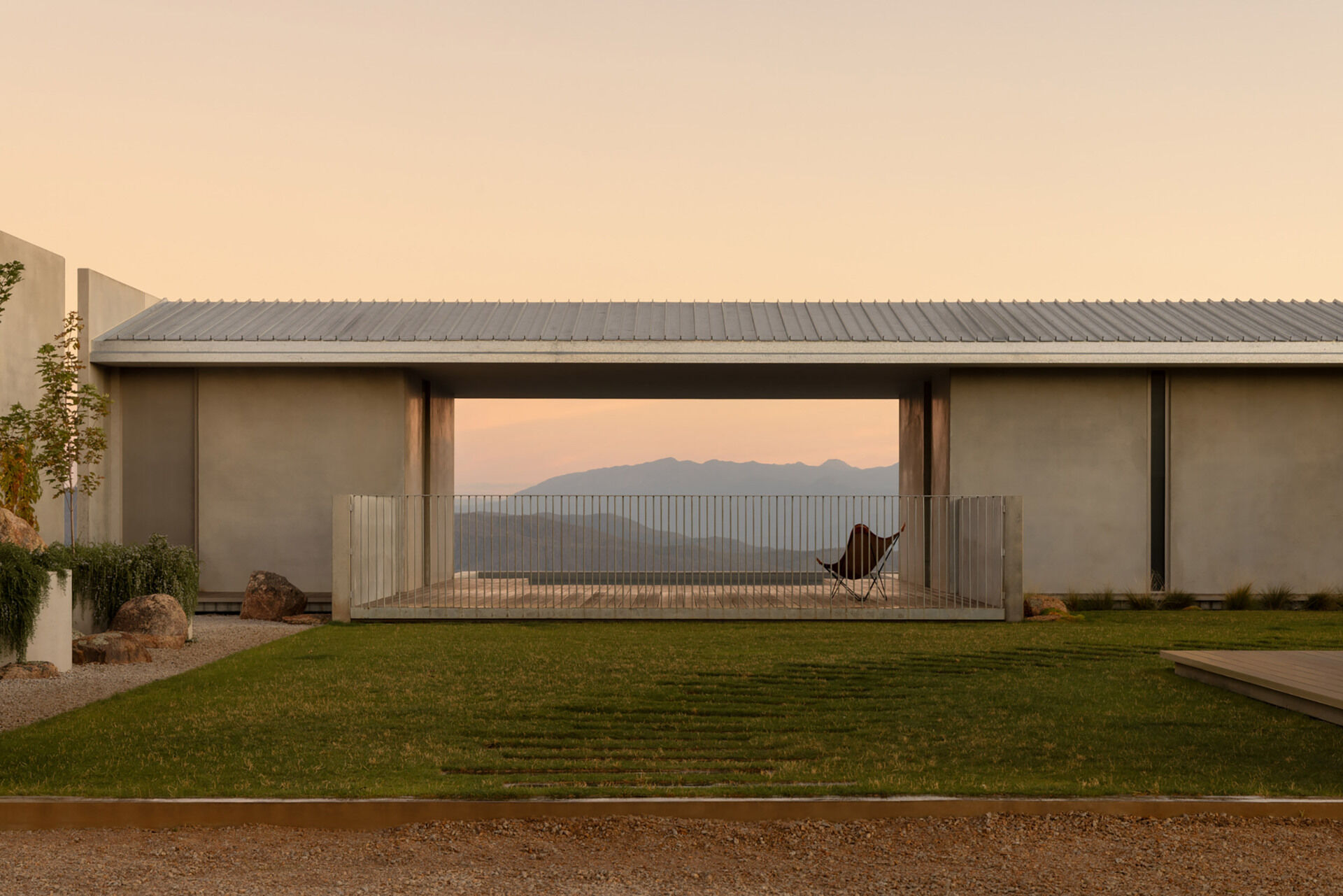
Eyrie Residence: Modern House Design on the Murmungee Escarpment
Schmölzer Architecture
A courtyard-centered residence by Schmölzer Architecture on the Murmungee Escarpment near Beechworth, oriented to panoramic valley and Mount Buffalo views.
Projects by the architect
View Chevallier Architectes Framing the Alps: A Modern Chalet Transformation
Chevallier Architectes
A striking renovation in Chamonix-Mont-Blanc where expansive glazing and modern materials redefine a historic alpine chalet, connecting two generations of archi…